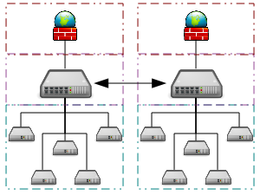
Interprocess Communication (IPC) refers to the mechanisms provided by the operating system that enable processes to communicate with each other and synchronize their actions. IPC is essential for creating applications that require cooperation among multiple processes.
- Pipes: A unidirectional communication channel that allows one process to send data to another.
- Message Queues: Allow processes to send and receive messages in a queued manner, ensuring that messages are stored until they can be processed.
- Shared Memory: Enables multiple processes to access a common memory space, allowing for fast data exchange.
- Sockets: Facilitate communication between processes over a network, enabling data exchange between applications running on different machines.
- Resource Sharing: IPC allows processes to share resources efficiently, enhancing system performance.
- Synchronization: Helps synchronize actions among processes, preventing race conditions and ensuring data consistency.
- Modularity: Encourages the development of modular applications, where different processes can perform distinct functions and communicate seamlessly.
Understanding IPC is crucial for developing efficient and effective multi-process applications. For more detailed information, visit the Interprocess Communication page on Wikipedia.